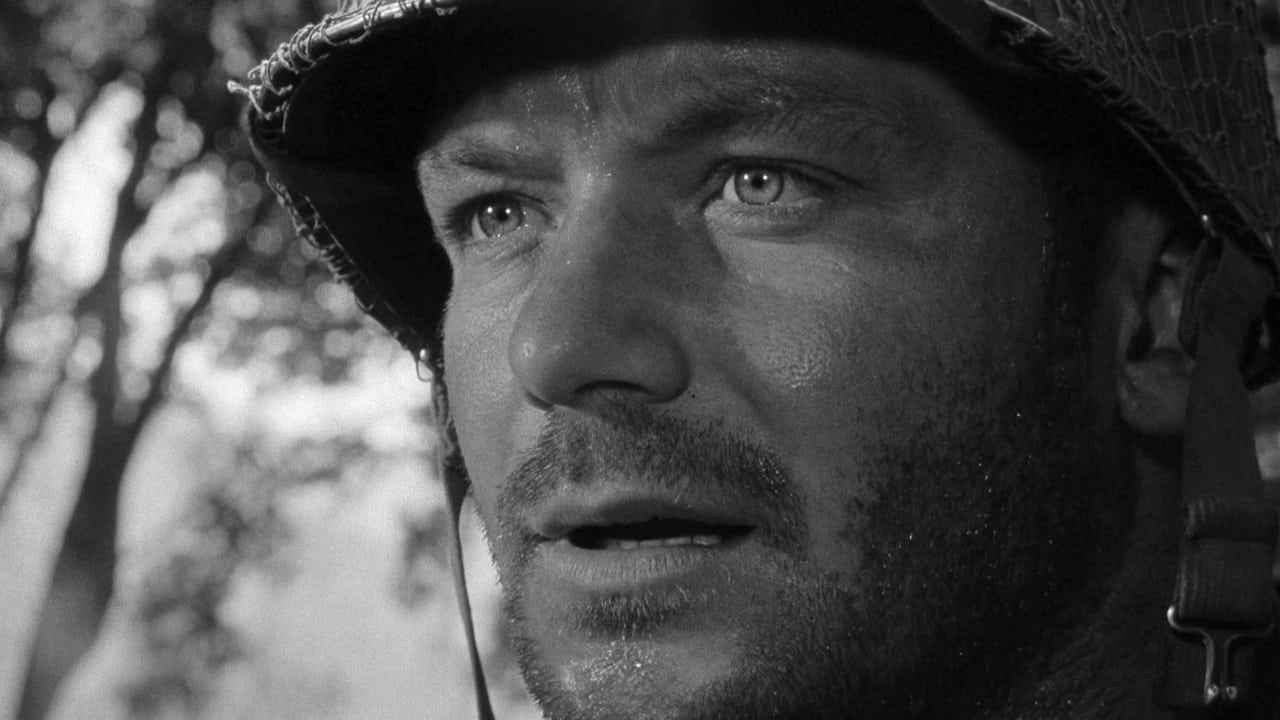
1 h 50 min
Ver online gratis
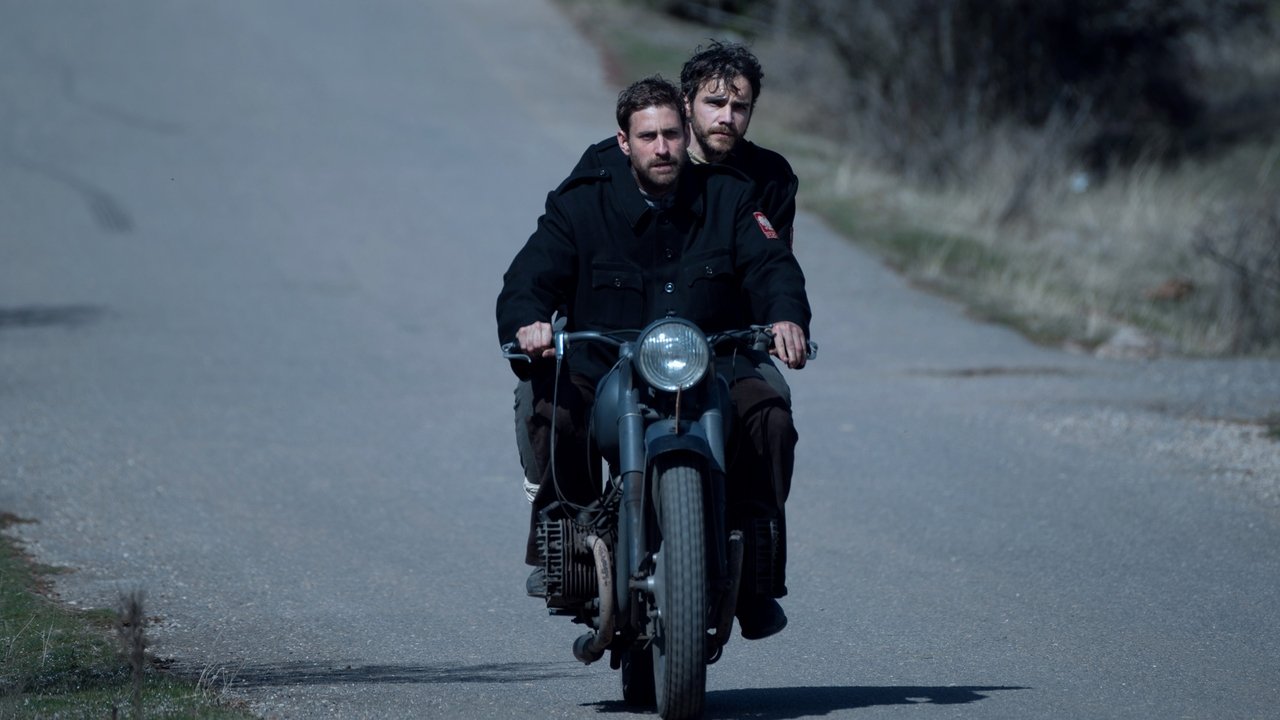
Voluntad
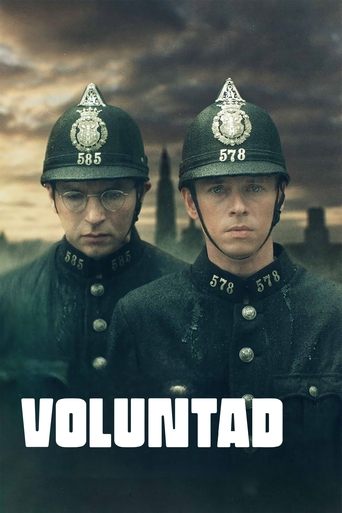
Dos jóvenes policías se debaten entre colaborar con los nazis o ayudar a la Resistencia en la Amberes ocupada durante la Segunda Guerra Mundial.
Mira esta película online. Regístrate para continuar y descubrir más películas.
Opciones para ver online
Dónde ver Voluntad online
Consulta plataformas y alternativas para disfrutar esta película online. Información actualizada con datos de JustWatch.

Información
Acerca de esta película
Dos jóvenes policías se debaten entre colaborar con los nazis o ayudar a la Resistencia en la Amberes ocupada durante la Segunda Guerra Mundial.
Dirección: Tim Mielants
Guion: Carl Joos, Jeroen Olyslaegers
Producción: Beata Pisula
Creadores y reparto
Reparto principal
-

Stef Aerts
Wilfried Wils
-

Matteo Simoni
Lode Metdepenningen
-

Annelore Crollet
Yvette Metdepenningen
-

Kevin Janssens
Vincent Vindevogel
-
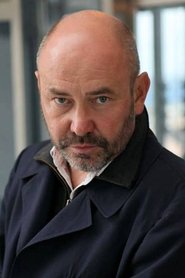
Dirk Roofthooft
Felix Verschaffel
-

Dimitrij Schaad
Gregor Schnabel
-

Pierre Bokma
Chaim Litzke
-

Karina Smulders
Myriam
-
Linn Vandeborne
Kayla
-
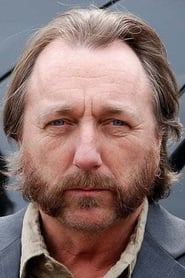
Marc Lauwrys
Gaston
-
Szymon Wróblewski
Ernst Böhmer
-

Pit Bukowski
Feldgendarm
-

Valentijn Dhaenens
Gust
-

Jan Bijvoet
Police commissioner Jean
-

Koen De Bouw
Father Metdepenningen
-

Els Dottermans
Maria Metdepenningen
-

Jan Decleir
The Professor
-

Frieda Pittoors
Zulma
-
Frank Vercruyssen
Jozef Wils
-

Ariane van Vliet
Roza Wils
-
Wito Geerts
Sus
-

Tine Van den Wyngaert
Aunt Emma
-
Gene Bervoets
Omer Verschueren
-

Felix Meyer
Mieleke
-

Sofie Decleir
Jenny
-

Glenn Tordeurs
Ferdi
-

Bram Verrecas
Rubbes
-

Aline Cornelissen
Seamstress
-
Kaat Hellings
Jeanne
-
Jorgen Cassiers
Neighbor
Fotos de la película
Galería de fotos de Voluntad
Explora escenas, pósteres y fotografías. Selecciona una imagen para verla en tamaño completo.
Galería de fotos de Voluntad
Playlist de videos
Tráilers, avances y clips de Voluntad
Reproduce los videos relacionados sin salir de la página.
Official Trailer [Subtitled]
Trailer · Oficial
Opiniones publicadas en TMDB
Reseñas de la audiencia
Marco-Hugo Landeta Vacas
Cuando todo es negro, los matices empiezan a desaparecer La ocupación nazi ya es, por definición, un territorio moralmente asfixiante, y Voluntad decide no conceder casi ningún respiro. La película coloca a sus personajes en un mundo donde cada decisión parece sucia, cada silencio compromete y cualquier intento de actuar bien llega demasiado tarde o tiene un precio. Esa oscuridad constante es también su principal virtud y, al mismo tiempo, lo que terminó cansándome. Tim Mielants trabaja muy bien la sensación de amenaza. Amberes aparece como una ciudad vigilada, enferma, donde nadie sabe del todo quién observa, quién colabora, quién resiste o quién intenta simplemente sobrevivir. La película evita presentar la ocupación como un tablero cómodo de héroes y villanos perfectamente separados, y en ese sentido resulta más interesante que muchas historias ambientadas en el mismo periodo. Lo que le interesa es la zona gris: hasta dónde puede llegar una persona para protegerse, cuándo la prudencia se convierte en cobardía, cuándo obedecer significa colaborar y cuánto pesa después haber elegido no actuar. Ese conflicto moral está bien planteado porque no ofrece soluciones tranquilizadoras. Casi todos los personajes cargan con miedo, culpa o contradicciones, y la película insiste en que sobrevivir no equivale necesariamente a salir limpio. Stef Aerts sostiene bien ese tono. Su interpretación funciona desde la incomodidad, la duda y la sensación de estar continuamente midiendo las consecuencias de cada gesto. No necesita convertirse en un héroe clásico para mantener el interés. Precisamente su fragilidad moral hace que el personaje resulte más humano, aunque también contribuye a que la película sea tan poco luminosa. Matteo Simoni y Annelore Crollet completan bien ese universo de lealtades difíciles y decisiones imposibles. El reparto, en general, funciona porque nadie parece estar interpretando una idea abstracta del bien o del mal. Incluso cuando algunos personajes ocupan posiciones muy claras, la película intenta conservar una cierta textura humana alrededor de ellos. La puesta en escena es probablemente lo que más me convenció. Hay suciedad, frío, espacios cerrados y una fotografía que refuerza continuamente la sensación de opresión. Mielants busca que el espectador sienta la época como algo físico, incómodo y casi irrespirable. En algunos momentos el tono se vuelve deliberadamente desagradable o grotesco, pero encaja con esa voluntad de no embellecer el contexto. El problema es que todo eso acaba acumulándose demasiado. La película es sombría desde el principio y apenas modifica esa frecuencia emocional. Culpa, miedo, violencia, desesperanza, vigilancia, traición: casi todo empuja en la misma dirección. Llega un momento en que tanta negatividad deja de aumentar la intensidad y empieza a producir cierta monotonía. Ahí fue donde se me hizo algo larga. No porque dure una barbaridad, sino porque emocionalmente parece extenderse más de lo necesario. Cuando prácticamente cada escena confirma que el mundo es terrible y que cualquier salida tiene consecuencias, el espectador empieza a anticipar el tono antes incluso de que llegue la siguiente situación. También creo que la película podría haber ganado con algo más de contraste. No hablo de introducir alivio cómico ni de suavizar una realidad histórica brutal, sino de permitir más momentos de normalidad, afecto o incluso esperanza para que la oscuridad pesara todavía más cuando regresara. Si todo es negro, al final cuesta distinguir los matices dentro del negro. Aun así, no me parece una mala película. Tiene oficio, atmósfera, interpretaciones sólidas y una mirada moral bastante menos cómoda de lo habitual. Entiendo perfectamente que pueda impresionar mucho a quien conecte con su fatalismo. A mí me interesó más de lo que me emocionó. Voluntad se queda para mí en un término medio: seria, bien construida y con ideas interesantes sobre colaboración, resistencia y culpa, pero demasiado empeñada en no dejar entrar luz. Esa insistencia termina haciendo que parte de su fuerza se desgaste. La vi con interés, aunque también con la sensación de que podía haber dicho lo mismo con algo menos de metraje y bastante más contraste. When everything is dark, the shades begin to disappear Nazi occupation is, by definition, morally suffocating territory, and WILL chooses to offer almost no relief. The film places its characters in a world where every decision feels tainted, every silence carries consequences and any attempt to do the right thing comes too late or at a price. That constant darkness is both its main strength and, eventually, what tired me. Tim Mielants handles the sense of threat very well. Antwerp appears as a watched, sick city where nobody fully knows who is observing, who is collaborating, who is resisting or who is simply trying to survive. The film avoids presenting occupation as a comfortable board of perfectly separated heroes and villains, and in that sense it is more interesting than many stories set in the same period. What interests it is the grey area: how far someone can go to protect themselves, when caution becomes cowardice, when obedience becomes collaboration and how heavily it weighs afterwards to have chosen not to act. That moral conflict is well handled because it offers no reassuring answers. Almost every character carries fear, guilt or contradiction, and the film insists that surviving does not necessarily mean emerging clean. Stef Aerts sustains that tone well. His performance works through discomfort, doubt and the constant feeling that every gesture has consequences. He does not need to become a conventional hero to remain interesting. It is precisely his moral fragility that makes the character more human, although it also contributes to the film's relentless bleakness. Matteo Simoni and Annelore Crollet fit well into this world of difficult loyalties and impossible decisions. The cast generally works because nobody seems to be playing an abstract idea of good or evil. Even when certain characters occupy very clear positions, the film tries to preserve some human texture around them. The staging is probably what convinced me most. There is dirt, coldness, enclosed spaces and a visual palette that constantly reinforces the feeling of oppression. Mielants wants the period to feel physical, uncomfortable and almost airless. At times the tone becomes deliberately unpleasant or grotesque, but that fits the decision not to beautify the context. The problem is that all of this eventually accumulates too much. The film is bleak from the start and barely changes emotional frequency. Guilt, fear, violence, hopelessness, surveillance, betrayal: almost everything pushes in the same direction. Eventually, so much negativity stops increasing the intensity and starts producing a certain monotony. That is where it felt a little long to me. Not because the running time is extreme, but because emotionally it seems to stretch further than necessary. When almost every scene confirms that the world is terrible and every possible way out has consequences, the viewer begins to anticipate the tone before the next situation even arrives. I also think the film could have benefited from more contrast. I do not mean comic relief or softening a brutal historical reality, but allowing more moments of normality, affection or even hope so that the darkness would weigh more heavily when it returned. If everything is black, it eventually becomes difficult to distinguish the shades within the black. Even so, I do not think it is a bad film. It has craft, atmosphere, strong performances and a moral perspective that is much less comfortable than usual. I can easily understand why its fatalism may strongly affect some viewers. It interested me more than it moved me. WILL lands somewhere in the middle for me: serious, well made and full of worthwhile ideas about collaboration, resistance and guilt, but too determined to keep every trace of light outside. That insistence eventually wears down some of its force. I watched it with interest, but also with the feeling that it could have said the same thing with a little less running time and considerably more contrast.
Leer reseña completa en TMDBResolvemos tus dudas
Preguntas frecuentes sobre Voluntad
Información rápida para conocer la película antes de verla online.
¿Dónde ver Voluntad online gratis?
Puedes comenzar a ver Voluntad online gratis desde el reproductor de esta página. Pulsa “Ver gratis online” para iniciar la reproducción.
¿De qué trata Voluntad?
Dos jóvenes policías se debaten entre colaborar con los nazis o ayudar a la Resistencia en la Amberes ocupada durante la Segunda Guerra Mundial.
¿Cuánto dura Voluntad?
Voluntad tiene una duración aproximada de 1 h 50 min.
¿De qué año es Voluntad?
Voluntad es una película de 2023.
¿Qué género es Voluntad?
Voluntad pertenece a los géneros Drama, Bélica, Historia.
¿Quiénes forman el reparto de Voluntad?
El reparto principal incluye a Stef Aerts, Matteo Simoni, Annelore Crollet, Kevin Janssens.
También podrían gustarte
 La batalla olvidada
 La zona gris
 Jacknife
 La resistencia invisible
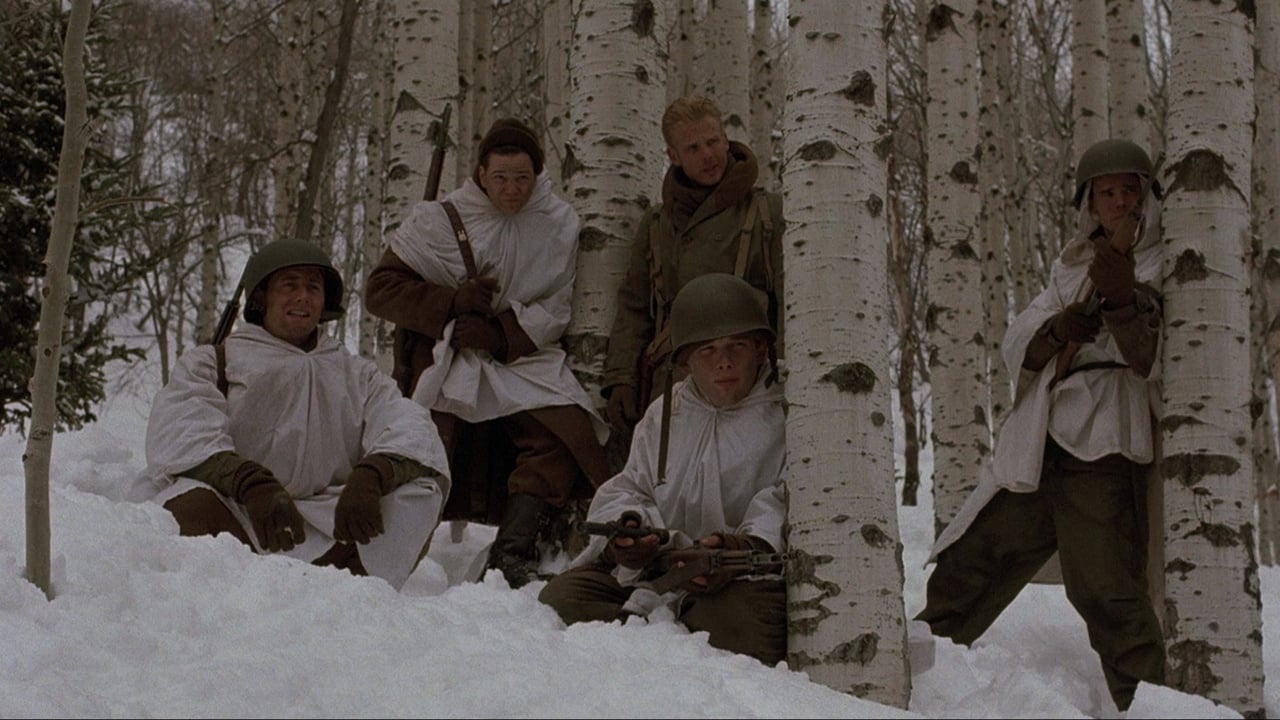
 En la línea de ataque
 Escuadrón de la muerte

 El este
 El campo del honor
 Danger close: la batalla de Long Tan
 Mi gran amiga Ana Frank
 Cristiada

 Al lado del enemigo
 El corazón valiente de Irena Sendler
 Fuego en la nieve
 Y llegó el día de la venganza
 1917
1917
 Tras la línea enemiga: Comando de élite
 La colina de los diablos de acero