1 h 45 min
Ver online gratis
Barreda
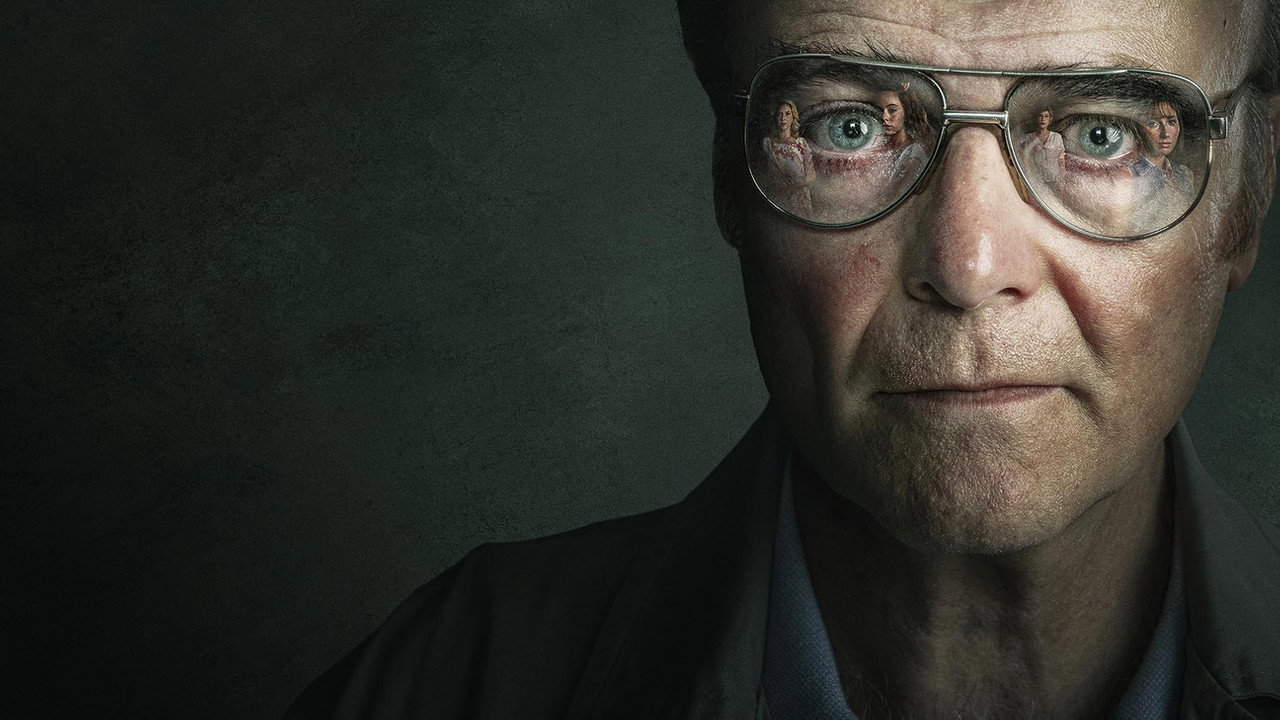
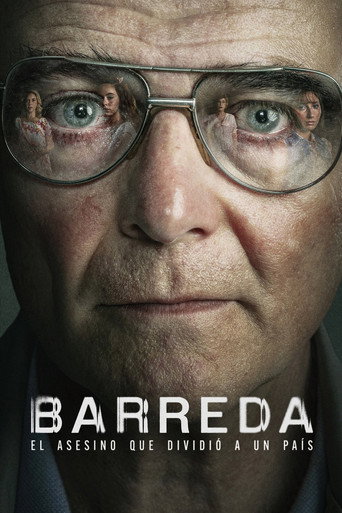
Película basada en uno de los crímenes más impactantes de la historia de Argentina. En 1992, Ricardo Barreda, un dentista de aspecto inofensivo, asesinó brutalmente a su mujer, a su suegra y a sus dos hijas adultas en el domicilio familiar. Presentándose a sí mismo como una víctima, Ricardo Barreda desató una tormenta mediática y avivó un escándalo nacional.
Mira esta película online. Regístrate para continuar y descubrir más películas.
Opciones para ver online
Dónde ver Barreda online
Consulta plataformas y alternativas para disfrutar esta película online. Información actualizada con datos de JustWatch.

Información
Acerca de esta película
Película basada en uno de los crímenes más impactantes de la historia de Argentina. En 1992, Ricardo Barreda, un dentista de aspecto inofensivo, asesinó brutalmente a su mujer, a su suegra y a sus dos hijas adultas en el domicilio familiar. Presentándose a sí mismo como una víctima, Ricardo Barreda desató una tormenta mediática y avivó un escándalo nacional.
Dirección: Daniela Goggi
Guion: Juan Cavoti Caterbona, Daniela Goggi, Josefina Licitra, Tamara Talesnik, Donna Tefa
Producción: Federico ameglio, Armando Bo, Natacha Cervi
Creadores y reparto
Reparto principal
-

Luis Machín
Ricardo Barreda
-

Carla Peterson
Gladys McDonald
-

Mercedes Morán
Elena Arreche
-

Maite Lanata
Cecilia Barreda
-

Margarita Páez
Adriana Barreda
-

Marcelo Subiotto
Dr. Caceres
-

Paola Barrientos
Pirucha
-

Alberto Ajaka
Fiscal Roitman
-

Franco Rilla
Gastón
-
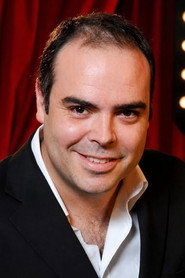
Christian Font
Periodista tribunales 2
-
Federico Formento
Martín
-

Natalia Chiarelli
Dora
Temas relacionados
Fotos de la película
Galería de fotos de Barreda
Explora escenas, pósteres y fotografías. Selecciona una imagen para verla en tamaño completo.
Galería de fotos de Barreda
Playlist de videos
Tráilers, avances y clips de Barreda
Reproduce los videos relacionados sin salir de la página.
Barreda - Tráiler Oficial I Prime Video
Trailer · Oficial
Opiniones publicadas en TMDB
Reseñas de la audiencia
Marco-Hugo Landeta Vacas
(CASTELLANO) Lo más desagradable de Barreda no está en convertir a su figura central en un monstruo evidente, sino en observar cómo él mismo fabrica un relato en el que intenta ocupar el lugar de la víctima. Desde muy pronto aparece esa manera de hablar de las tareas domésticas, de lo que hacía por los demás, de cuánto soportaba y de cómo se sentía tratado. No hace falta que la película subraye demasiado el mecanismo: cuanto más se explica, peor cae. Daniela Goggi acierta al no plantear la historia únicamente como reconstrucción de un caso criminal. Lo verdaderamente interesante está en cómo una persona puede reorganizar los hechos para justificar lo injustificable y, sobre todo, en cómo una sociedad puede terminar encontrando una narrativa cómoda alrededor de alguien que no la merece. Ahí la película deja de hablar solo de un hombre y empieza a hablar también de quienes escuchan, repiten, convierten en chiste o transforman en personaje popular una historia profundamente siniestra. Luis Machín es fundamental. Su interpretación evita el exceso y eso hace al personaje todavía más repulsivo. No necesita levantar la voz continuamente ni parecer un villano consciente de serlo. Funciona mejor cuando transmite autocompasión, resentimiento, pequeñez y esa convicción íntima de que todo lo que le ocurre siempre tiene una explicación favorable para él. Esa capacidad para presentar egoísmo como sufrimiento es probablemente lo mejor de la película. El guion trabaja bien la idea de la memoria interesada. Cada versión de los hechos parece estar contaminada por quien la cuenta, y eso obliga a desconfiar de cualquier explicación demasiado ordenada. La película parece preguntarse no solo qué ocurrió, sino quién tuvo después el derecho de contarlo y por qué determinadas versiones resultaron tan fáciles de aceptar. También hay algo incómodo en la dimensión social del relato. La conversión de una figura real en personaje casi folclórico dice mucho más del entorno que del propio protagonista. Humor, morbo, machismo y fascinación mediática pueden acabar limando la gravedad de lo ocurrido hasta convertir una tragedia en entretenimiento. Cuando la película entra en ese terreno es cuando más personalidad tiene. Carla Peterson, Mercedes Morán y el resto del reparto ayudan a que la historia no quede completamente secuestrada por la figura central. Eso es importante porque uno de los riesgos evidentes de cualquier true crime es volver a entregar toda la atención a la figura más conocida del caso. Barreda intenta recuperar otras miradas y recordar que alrededor de cualquier relato construido desde el centro de la historia existen personas reducidas, silenciadas o deformadas por esa misma narración. Formalmente tiene momentos interesantes, aunque no siempre consigue convertir su estructura fragmentada en verdadera tensión. Hay saltos, puntos de vista y reconstrucciones que enriquecen el retrato, pero también tramos en los que la película parece perder impulso. A veces la intención psicológica es más fuerte que el suspense y el conjunto se vuelve algo plano. Ese es probablemente mi principal problema. La película tiene un tema potentísimo y una figura central que produce rechazo inmediato, pero la puesta en escena no siempre encuentra una forma igual de potente de desarrollarlos. Hay pasajes que se sienten demasiado cercanos al drama criminal de plataforma: correctos, bien interpretados y fáciles de seguir, pero menos arriesgados de lo que el material permitiría. Tampoco creo que llegue a explicar, ni tendría por qué hacerlo, cómo se construye psicológicamente alguien así. Cuando se acerca demasiado a buscar causas claras, pierde fuerza. Me interesa más cuando muestra contradicciones, autoengaño y manipulación sin pretender cerrar el personaje con una etiqueta sencilla. Lo mejor de Barreda está en su rechazo a aceptar sin más el relato del protagonista. Ese hombre que insiste en cuánto hacía, cuánto soportaba y cuánto sufría se vuelve cada vez más desagradable porque la película deja visible la distancia entre la imagen que intenta vender y lo que esa imagen oculta. No hace falta convertirlo en una caricatura; basta con escucharle. El resultado me parece sólido, aunque no extraordinario. Hay buenas interpretaciones, una lectura social interesante y momentos formales que elevan el conjunto, pero también una estructura algo convencional y una tensión irregular. Más que fascinarme por el caso, lo que me queda es el rechazo hacia la facilidad con la que alguien puede intentar apropiarse del papel de víctima y hacia una sociedad dispuesta, a veces, a ayudarle a hacerlo. (ENGLISH) The most disturbing thing about Barreda is not that it turns its central figure into an obvious monster, but that it watches him manufacture a story in which he tries to occupy the place of the victim. Very early on, there is that way of talking about household duties, everything he supposedly did for others, how much he endured and how badly he felt he was treated. The film hardly needs to underline the mechanism: the more he explains himself, the worse he comes across. Daniela Goggi is right not to treat the story merely as a reconstruction of a criminal case. What is truly interesting is the way a person can rearrange events to justify the unjustifiable and, above all, how a society can end up finding a comfortable narrative around someone who does not deserve one. At that point, the film stops being only about one man and starts being about those who listen, repeat, turn things into jokes or transform a deeply sinister story into popular folklore. Luis Machín is essential. His performance avoids excess, which makes the character even more repellent. He does not need to shout constantly or look like a villain who knows he is one. He is most effective when conveying self-pity, resentment, pettiness and the private conviction that everything that happens to him must have an explanation that favors him. That ability to present selfishness as suffering is probably the film's strongest element. The screenplay handles selective memory well. Every version of events seems contaminated by whoever is telling it, forcing us to distrust any explanation that feels too neat. The film appears interested not only in what happened, but in who later gained the right to tell the story and why certain versions proved so easy to accept. There is also something uncomfortable in the social dimension of the film. The transformation of a real figure into an almost folkloric character says as much about the surrounding culture as it does about the man himself. Humor, voyeurism, misogyny and media fascination can gradually wear down the seriousness of what happened until tragedy becomes entertainment. The film has the most personality when it moves into that territory. Carla Peterson, Mercedes Morán and the rest of the cast help prevent the story from being completely hijacked by its central figure. That matters because one obvious danger of true crime is giving all the attention back to the best-known figure in the case. Barreda tries to recover other perspectives and remind us that around any story built from the center of the case there are people who are reduced, silenced or distorted by that same narrative. Formally, the film has interesting moments, although its fragmented structure does not always become genuine tension. Shifts in time, perspective and reconstruction enrich the portrait, but there are also passages where the film loses momentum. At times the psychological intention is stronger than the suspense, and the whole thing becomes somewhat flat. That is probably my main problem with it. The film has an extremely powerful subject and a central figure who provokes immediate rejection, but the staging does not always find an equally powerful way to develop those elements. Some passages feel too close to conventional streaming crime drama: competent, well acted and easy to follow, but less daring than the material could support. I also do not think the film ever truly explains, nor does it need to, how someone like this is psychologically formed. Whenever it comes too close to searching for clean causes, it becomes less interesting. I prefer it when it shows contradiction, self-deception and manipulation without trying to close the character with a simple label. The best thing about Barreda is its refusal to simply accept the protagonist's version of himself. The man who keeps insisting on how much he did, endured and suffered becomes more unpleasant the longer he speaks because the film keeps visible the distance between the image he wants to sell and what that image conceals. It does not need to turn him into a caricature; listening to him is enough. The result is solid rather than extraordinary. There are strong performances, an interesting social perspective and some formal choices that lift the material, but also a somewhat conventional structure and uneven tension. More than fascination with the case, what remains is disgust at how easily someone can try to claim the role of victim, and at how willing a society can sometimes be to help him do it.
Leer reseña completa en TMDBResolvemos tus dudas
Preguntas frecuentes sobre Barreda
Información rápida para conocer la película antes de verla online.
¿Dónde ver Barreda online gratis?
Puedes comenzar a ver Barreda online gratis desde el reproductor de esta página. Pulsa “Ver gratis online” para iniciar la reproducción.
¿De qué trata Barreda?
Película basada en uno de los crímenes más impactantes de la historia de Argentina. En 1992, Ricardo Barreda, un dentista de aspecto inofensivo, asesinó brutalmente a su mujer, a su suegra y a sus dos hijas adultas en el domicilio familiar. Presentándose a sí mismo como una víctima, Ricardo Barreda desató una tormenta mediática y avivó un escándalo nacional.
¿Cuánto dura Barreda?
Barreda tiene una duración aproximada de 1 h 45 min.
¿De qué año es Barreda?
Barreda es una película de 2026.
¿Qué género es Barreda?
Barreda pertenece a los géneros Drama, Crimen, Historia.
¿Quiénes forman el reparto de Barreda?
El reparto principal incluye a Luis Machín, Carla Peterson, Mercedes Morán, Maite Lanata.
También podrían gustarte
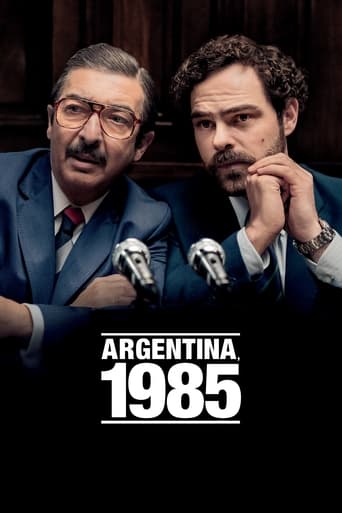 Argentina 1985
 La noche de 12 años

 El cártel de los sapos

 Extremadamente cruel, malvado y perverso

 Quien a hierro mata

 Perdidos en la noche
 Los secuestros de Cleveland
 El médico alemán
 Imperdonable

 Infiltrado
 El ojo público
 Consigandos (Locked In)
 Caminando entre las tumbas
 El clan
 180
180
 Deuda de sangre

 Suburbicon

 El diablo que conoces